In-Network with Most Major Insurance Carriers
For many people, substances become a way to manage constant fear, panic, overthinking, or emotional exhaustion. Real recovery requires treating the anxiety underneath the addiction, not just the addiction itself.
The Reality
Anxiety treatment at Top of the World Ranch is woven into the full clinical program. EMDR and Accelerated Resolution Therapy address the nervous system dysregulation and trauma that drive chronic anxiety. CBT and DBT build practical tools for managing anxious thought patterns and emotional responses. Yoga, qigong, meditation, and the natural environment of 315 private acres provide daily regulation support that complements the clinical work.
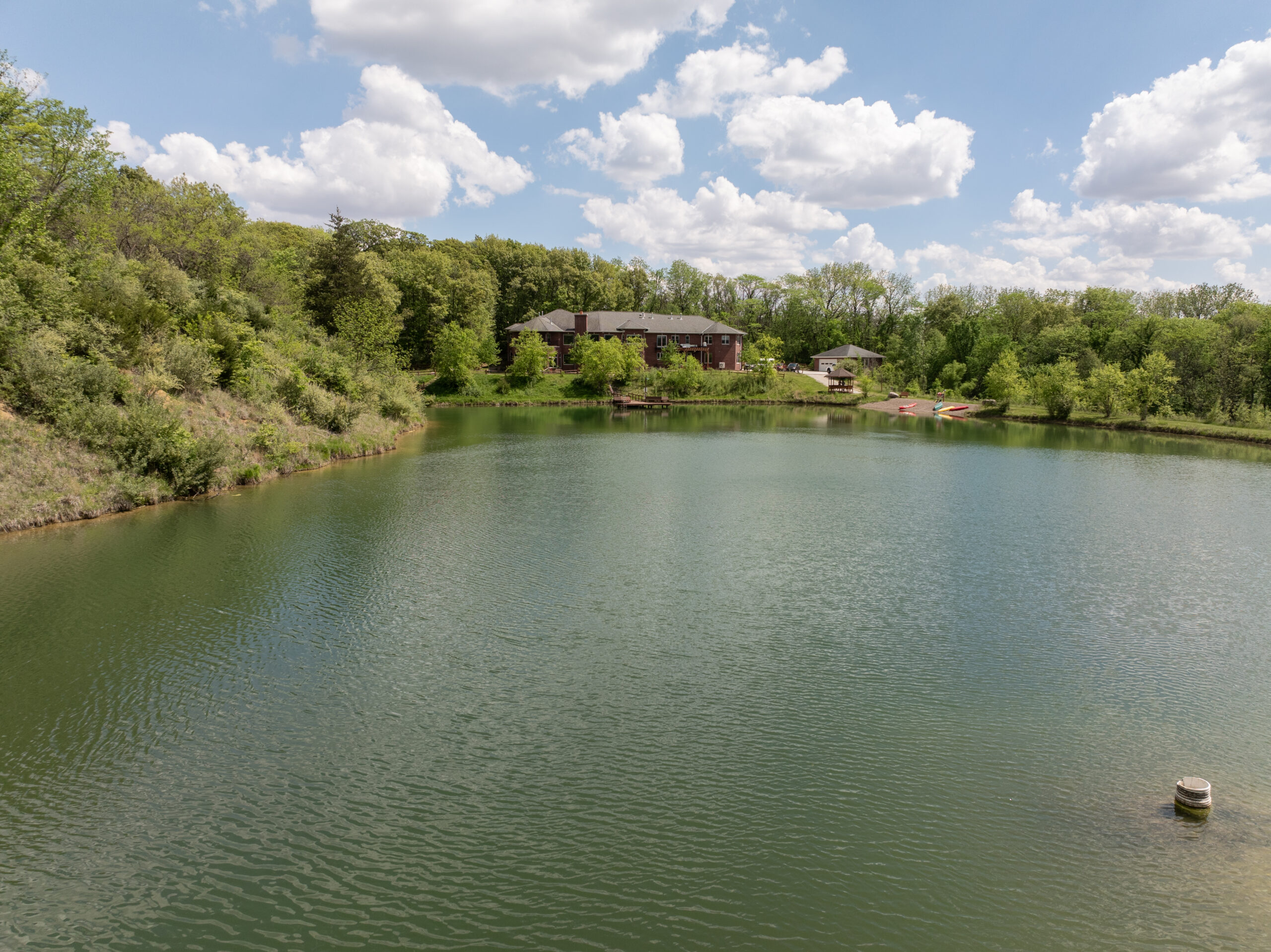
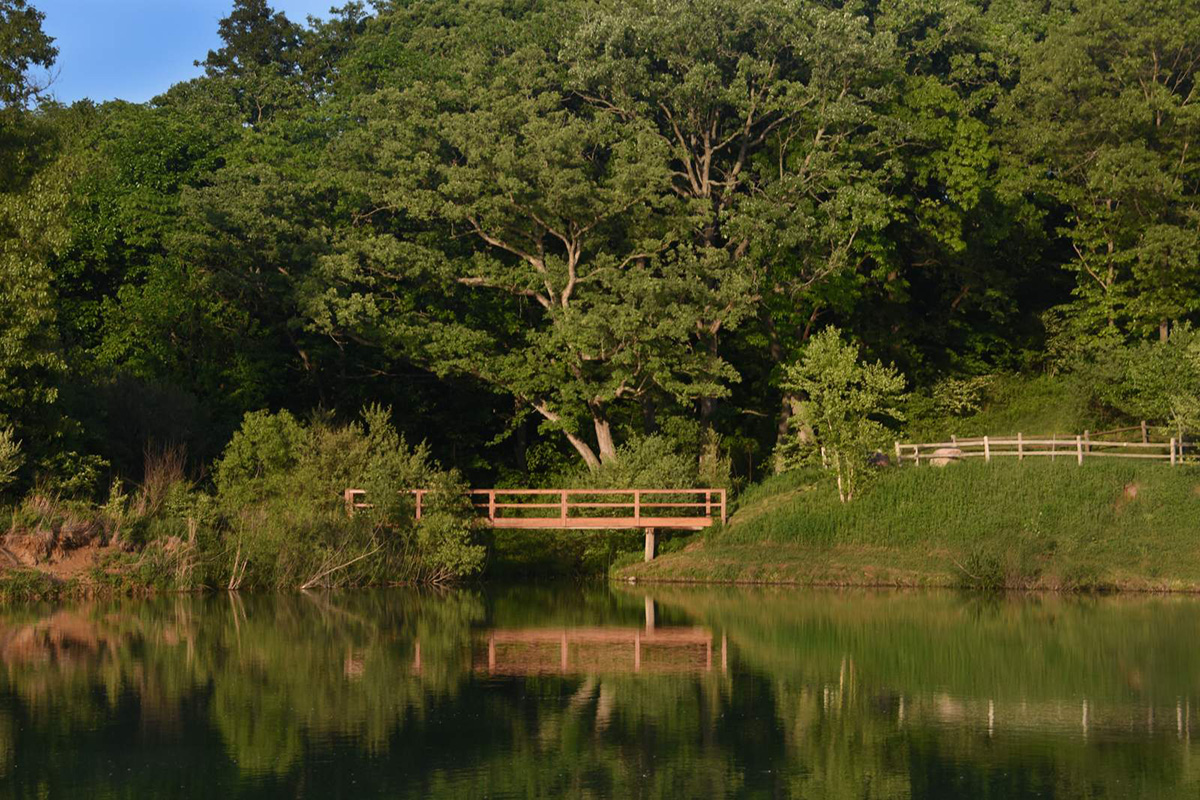
The natural environment at Top of the World Ranch is not incidental to treatment. Research consistently shows that time in nature reduces cortisol levels, lowers nervous system arousal, and supports the kind of emotional regulation that anxiety recovery requires. On 315 private acres of Idaho mountain terrain, clients have daily access to open land, trails, and a physical environment that is itself a regulating force. For people whose nervous systems have been under chronic stress, that access is not recreational. It is part of the clinical picture.