In-Network with Most Major Insurance Carriers

Stimulant Addiction Lives in the Mind Long After the Body Clears

Cocaine and stimulant addiction do not produce the physical withdrawal of opioids or alcohol, but the psychological hold is powerful and persistent. Top of the World Ranch treats stimulant addiction with the trauma-focused clinical care that addresses it at the source.

Stimulant addiction often creates intense psychological cravings, emotional crashes, and compulsive behavioral patterns that continue long after the substance leaves the body. Effective treatment addresses the underlying trauma, stress, and emotional drivers behind the cycle.
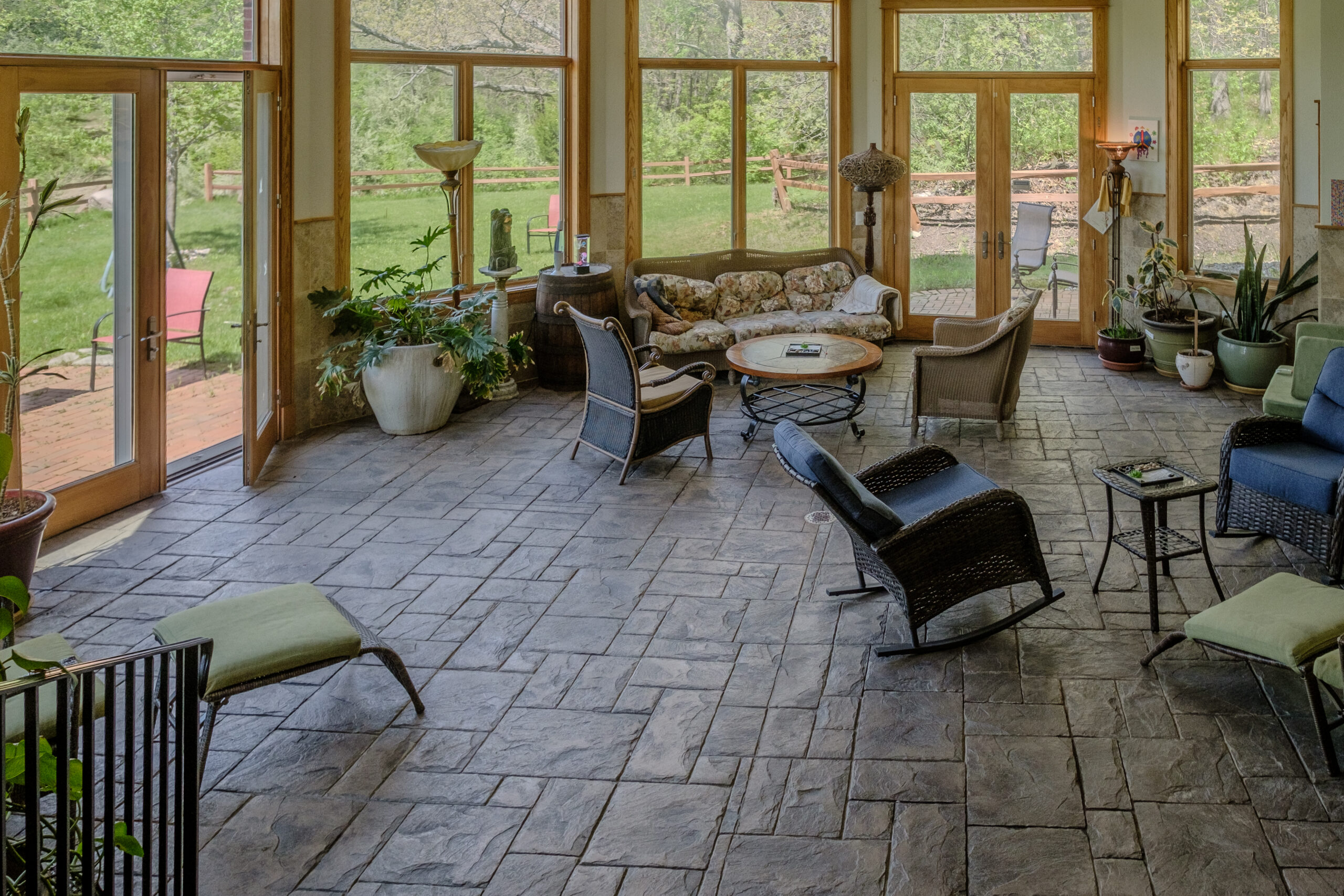

Stunning 12-foot-high atrium with large windows overlooking woods and water at Top of the World Ranch Milan IL, a sunlit relaxation space in the Main Lodge for healing and reflection.

Who This Is For

Why Stimulant Addiction Is Hard to Treat Without Addressing the Underlying Drivers

Cocaine and stimulant use often begins as a performance or social tool. The transition from use to dependency can happen gradually and in contexts that make it difficult to identify as a problem until significant damage has been done.
The psychological withdrawal from stimulants, including depression, exhaustion, and intense cravings, can persist for weeks and is one of the primary drivers of relapse. The brain’s reward system has been altered by sustained stimulant use and requires time and direct clinical attention to restabilize.

How We Treat It

Treating the Underlying Drivers of Stimulant Addiction

Stimulant addiction treatment at Top of the World Ranch is built around addressing the psychological and trauma components that drive stimulant use. EMDR and Accelerated Resolution Therapy address the underlying patterns. Individual and group therapy, CBT, DBT, and the full holistic and experiential programming on 315 private acres provide the environment for recovery.

EMDR & ART Integrated Into Care

Treatment addresses the trauma and emotional patterns connected to stimulant addiction.

Structured Clinical Support

Clients participate in therapy, process groups, and recovery-focused programming throughout treatment.

Build Healthy Coping Skills

Evidence-based therapies help improve emotional regulation, behavior patterns, and daily stability.

Recovery Beyond Traditional Therapy

The 315-acre setting and experiential programming support long-term healing and recovery.