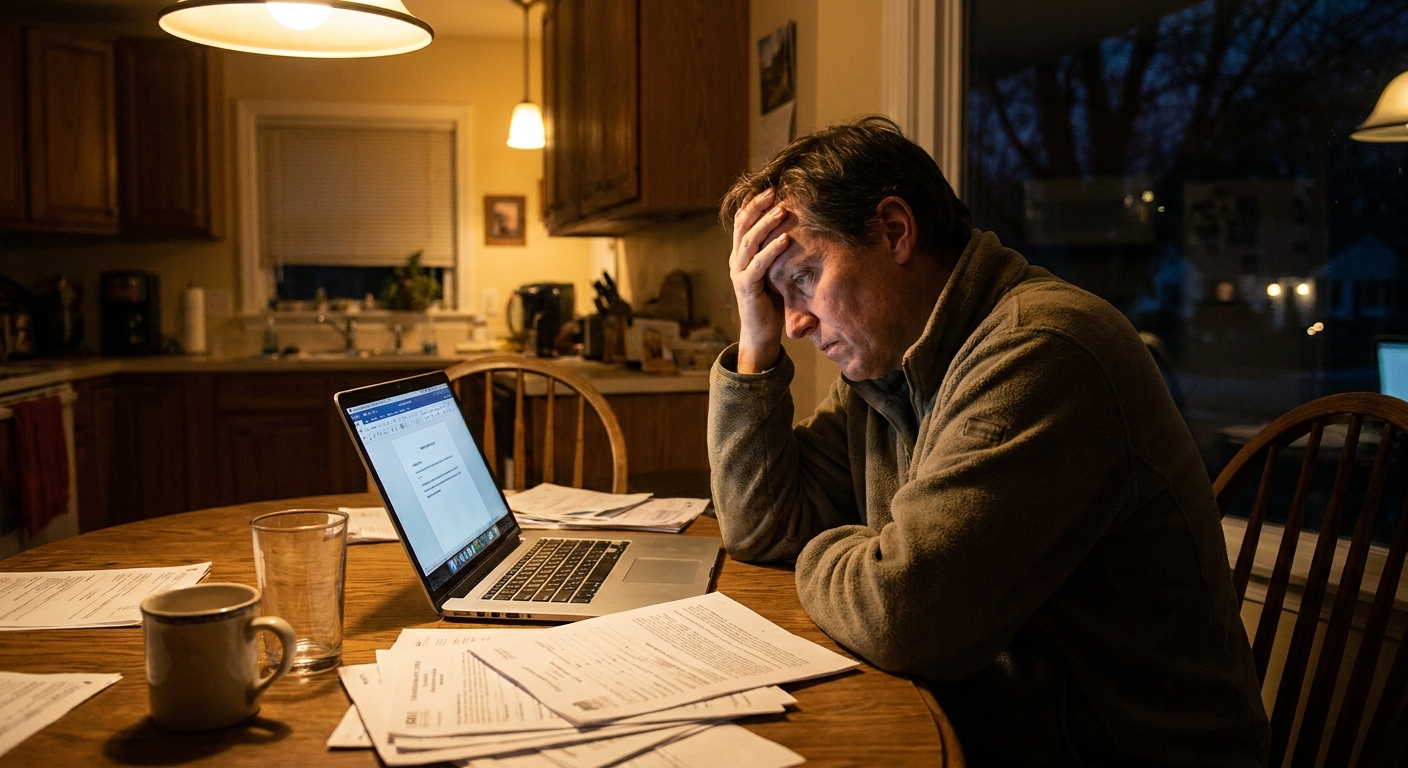
The appointment confirmation arrived and you paid the deposit. Then, three days before the evaluation, the attorney says the provider is not licensed through the state system, so the court will not accept the report. You have to start over. Whether this is your own case or you are helping a son, daughter, or spouse through it, the question should have been simple: who is actually allowed to do this evaluation in Illinois? Put plainly, who can do a substance use evaluation that a judge, the Secretary of State, or a treatment team will accept? The answer depends on why you need one. Knowing that before you book can save you a second fee and weeks of waiting, says Top of the World Ranch.
Illinois has two separate lanes. The first lane is legal. It covers DUI cases, court orders, and driver’s license reinstatement, and it runs through a state licensing system with strict rules. The second lane is clinical. It covers the assessment you get when you or someone you love wants help with drinking, drug use, or mental health, and a wider group of professionals can do it. Top of the World Ranch in Milan, IL provides addiction and mental health treatment rather than court evaluations. This guide explains both lanes clearly, so you can find the right door the first time.
Who Can Do a Substance Use Evaluation That an Illinois Court Will Accept?
For a DUI case or any court-ordered alcohol or drug evaluation in Illinois, the evaluation must come from a provider licensed through the Illinois Department of Human Services, Division of Substance Use Prevention and Recovery (IDHS/SUPR). The evaluator must also meet the state’s training and credential requirements. A general therapy or counseling license does not meet that standard by itself.
The rule exists because the court needs reports it can compare. Illinois DUI law in the Illinois Vehicle Code (625 ILCS 5/11-501 and the related evaluation provisions) ties DUI cases to a formal alcohol and drug evaluation. The Secretary of State also uses these evaluations when it decides whether to give back driving privileges. A licensed provider follows a standard process and writes the results in a standard format, so a judge in one county reads the same kind of report as a judge in another. That consistency is the whole point. An evaluation that skips the standard format does not count, even when the clinical work behind it was careful.
Here is the detail that catches people: courts reject reports from providers outside the IDHS system, no matter what other credentials the evaluator holds. A highly experienced psychologist or a trusted family therapist may give you an assessment, and the court can still turn it away. IDHS keeps a public listing of licensed evaluators and approved evaluation sites. That listing is the most reliable way to confirm a provider before you pay anything.
Another source of confusion is a title called Substance Abuse Professional, or SAP. This is a federal role tied to Department of Transportation drug and alcohol testing for workers such as commercial drivers. A SAP evaluation serves a workplace requirement, and it does not replace an Illinois DUI evaluation. Employers and family courts handling custody cases may also have their own rules. If anyone other than a criminal court asks you for an evaluation, ask them in writing what kind they need and who can perform it.
Which Professionals Can Do a Voluntary Assessment When No Court Is Involved?
So who can do a substance use evaluation when no court is involved? When you want an assessment for your own health, or when you are trying to get a loved one into treatment, many professionals can do it. These include licensed clinical social workers (LCSW), licensed professional counselors (LPC), licensed clinical professional counselors (LCPC), psychologists, psychiatrists and other physicians, and certified alcohol and drug counselors (CADC). Each works within the limits of their credential. These assessments guide care, but they do not satisfy a court mandate.
In Illinois, the Department of Financial and Professional Regulation (IDFPR) licenses social workers, counselors, psychologists, and physicians. Each license defines what that professional may do, which is called scope of practice. A psychiatrist can diagnose, review medications, and weigh medical risks. A clinical counselor or social worker can look closely at substance use and mental health and recommend a level of care. Certified alcohol and drug counselors earn their credential through the Illinois Certification Board rather than a state license, and they bring focused training in substance use. Each of these professionals can do a meaningful voluntary assessment within their training.
A thorough assessment follows a recognized method, not just a friendly chat. Clinical guidelines on substance use screening, risk assessment, and diagnosis describe a process that starts with screening questions and moves to a formal diagnosis using established criteria. Research on evidence-based assessment of substance use disorder shows that careful assessments rely on structured questions rather than gut feeling. That structure is what makes the final recommendation trustworthy.
Treatment centers rely on their own clinical staff for intake assessments, and the reason is practical. The assessment documents medical necessity, which your insurance plan usually needs before it approves care. It also answers the most urgent safety question. If someone has been drinking heavily every day for months, stopping suddenly can be dangerous, because alcohol withdrawal can cause seizures and other serious medical problems. A clinical assessment helps decide whether medically supervised detox should come first or whether outpatient care may be a safe place to start, though individual responses vary. If you or your loved one already sees a therapist you trust, that therapist can be a strong first step and may refer you to a program. For a court order, though, you still need the IDHS lane.
A DUI Evaluation Answers the Court’s Question. A Clinical Assessment Answers Yours.
Once you know which lane you are in, it helps to know what actually happens during the appointment. A DUI evaluation follows a standard IDHS process and produces a formal report that tells the court a person’s risk level. A clinical assessment looks at the whole picture, including mental health, past treatment, and the kind of care that may help, though individual needs differ. Both involve honest questions about drinking and drug use, but they serve different goals.
Most alcohol evaluations, in either lane, include some mix of the following:
- A face-to-face interview about what you use, how much, how often, and for how long
- Standardized screening questions, such as the alcohol screening tools the World Health Organization supports for substance use problems
- For a DUI evaluation: a review of the arrest, the blood alcohol result, and the driving record, written into a state-format report with a risk classification
- For a clinical assessment: screening for co-occurring conditions such as depression, anxiety, or trauma
- Questions about physical health, medications, and withdrawal risk
- A look at past treatment, including what helped and what did not
- A recommendation for next steps
In the DUI lane, the report places you in a risk category: minimal, moderate, significant, or high risk. That category shapes what the court or the Secretary of State requires next, such as risk education classes or a set amount of treatment. The report goes to the court or agency because you signed consent for it to go there. If you want a closer look at what happens in the room, this guide on what to expect at a drug and alcohol assessment walks through the conversation step by step.
At Top of the World Ranch in Milan, the focus is care rather than legal requirements. The ranch provides dual diagnosis care, where addiction and co-occurring mental health conditions are treated together. It offers four levels of care: detox and withdrawal management, residential treatment, partial hospitalization (PHP), and intensive outpatient (IOP), and the right match depends on each person’s situation. Federal confidentiality rules known as 42 CFR Part 2 protect substance use treatment records. In practice, a clinical assessment generally stays with the care team and is shared only with consent or as needed for insurance approval. Before you begin, ask any provider to explain exactly who will see the results.
What Should You Ask Before You Pay for Any Evaluation?
Before you book, ask two questions. First, is the provider licensed through IDHS/SUPR for the type of evaluation you need? Second, will their report meet the exact requirement of the court, employer, or agency asking for it? Those two answers prevent most rejected reports.
The mistake is common and expensive. Many people book an appointment assuming any substance use assessment will satisfy a court order, and only afterward learn the report does not meet the required format or licensing. That means paying twice and rescheduling, often while a court date gets closer. Your attorney or probation officer can usually tell you exactly what the court expects, so write their answer down. Then compare it to what the provider says they deliver, and check the provider against the IDHS listing.
Cost. A court-ordered alcohol evaluation in Illinois is usually paid out of pocket, and fees often land somewhere in the low hundreds of dollars depending on the provider. Drug testing or extra sessions can add to that total, so ask for the full fee in writing before your appointment. Most providers do not bill health insurance for court-ordered DUI evaluations, because the evaluation serves a legal purpose rather than a medical one. A clinical assessment at a treatment center works differently: it is part of starting care, and a health plan may cover it when it is medically necessary.
Online options. Some Illinois providers offer parts of an evaluation by video, but not every court accepts a remote DUI evaluation. Confirm with your attorney and the provider before you book a telehealth appointment.
Time. Plan for the interview to take roughly one to two hours, plus time for paperwork. The written report may take a few more days after that.
What to bring. Bring whatever the provider requests, which often includes:
- A photo ID
- Court paperwork, your case number, or the letter asking for the evaluation
- Your arrest report and blood alcohol result, for a DUI evaluation
- A copy of your driving record, if the provider asks for one
- Your insurance card, for a clinical assessment
- A list of current medications and doses
- Records or dates from any past treatment
- A payment method, if the evaluation is self-pay
If you live in or around Milan, IL, you may have fewer licensed evaluation sites nearby than people in larger cities, so start early. A rushed booking a week before a court date is how many people end up with the wrong provider.
When You Need Care, Not a Court Report, This Is Where Top of the World Ranch Fits
Top of the World Ranch does not conduct court-ordered DUI evaluations. Its focus is treatment, with the goal of matching each person to the level of support that may fit their needs across detox and withdrawal management, residential treatment, partial hospitalization (PHP), and intensive outpatient (IOP).
If you are the parent or partner making this call, you may be worried about cost before anything else. Top of the World Ranch accepts Aetna, Blue Cross Blue Shield (BCBS), Cigna, Humana, and UnitedHealthcare (UHC). Exact benefits depend on the plan, so the admissions team can check coverage with you before anyone commits to anything. That way you know what to expect instead of bracing for surprise bills later.
Care at the ranch looks at more than drinking. It considers addiction and other substance use disorders alongside co-occurring mental health conditions, because one often feeds the other. What the team at Top of the World Ranch learns becomes the foundation of individualized care planning that blends holistic and evidence-based treatment. That plan can include mental health support, holistic therapy, and nature-based, experiential healing in the ranch’s natural, inspired setting. If an earlier program felt like it treated your loved one as a number, that fear makes sense, and it is exactly the thing to ask about. Ask how the plan will be shaped around your loved one’s needs and who will be part of the care team. A trustworthy program will answer both questions plainly.
You might also be afraid that reaching out means agreeing to weeks away from home. It does not. A first conversation is about what may help, and there is time to talk through your options before deciding anything. The ranch is located in Milan, IL 61264 and welcomes people from across Illinois.
If you or someone you love wants to explore the level of care that may fit for addiction, substance use disorders, or co-occurring mental health conditions, call Top of the World Ranch at (844) 814-8885. You can speak confidentially with the admissions team, who can verify your insurance and help you plan your next steps toward natural healing.
Whichever lane you are in, one small step will save you trouble. Before you call anyone, find the exact sentence on the court paperwork or request letter that names the evaluation required. That single line tells you whether you need an IDHS-licensed provider or a clinical team, and it keeps you from paying for the wrong appointment.
Get the clarity you need to move forward
If you or someone you care about is looking for substance use treatment in Milan, IL, the team at Top of the World Ranch can help you understand your options and what comes next. Reaching out for help is often the hardest step, but it’s also the one that opens the door to real support and recovery.
This article is general information, not legal or medical advice. Outcomes and experiences with substance use evaluations and treatment vary by individual. Confirm your court, Secretary of State, or employer requirements with your attorney or the requesting agency before you schedule.